

{{ Interface.PageTitle }}
Feeling low on energy from time to time is completely normal, especially after a busy week or a poor night's sleep. But if you're always feeling tired, even when you've had enough rest, you may start wondering whether something more is going on.
There are many reasons why fatigue can occur, from stress and poor sleep to nutritional deficiencies and underlying health conditions. In Traditional Chinese Medicine (TCM), another possible explanation is qi deficiency, a concept that describes low or weakened vital energy.
Although qi deficiency is not a medical diagnosis, it has been used in TCM for centuries to describe patterns of tiredness, reduced stamina, and overall wellbeing. Many women also wonder how this traditional perspective relates to premenstrual syndrome (PMS) symptoms, particularly when their energy levels fluctuate throughout the menstrual cycle.
In this article, we'll explain what qi deficiency is, why you may be always feeling tired, how it relates to the menstrual cycle, and simple ways to support your overall wellbeing.
What Is Qi Deficiency?
In TCM, qi (pronounced chee) refers to the body's vital energy. According to TCM, qi is believed to support many everyday functions, including movement, digestion, circulation, and the body's ability to adapt to physical and emotional demands.
When this energy is considered insufficient, it is described as qi deficiency. Rather than referring to a specific disease, it describes a pattern of signs and symptoms that practitioners use to understand a person's overall health.
People traditionally described as having qi deficiency may experience:
- Fatigue or low energy
- Poor stamina
- General weakness
- Reduced appetite
- Difficulty concentrating
- Feeling cold easily
Because these symptoms are common to many health conditions, persistent or unexplained fatigue should always be assessed by a healthcare professional.
While anyone can experience low energy, many women notice that fatigue becomes even more noticeable at certain times of the month. This naturally leads us to another common concern: PMS symptoms.
Always Feeling Tired? Looking Beyond Sleep
If you're always feeling tired, it's easy to assume that you simply need more sleep. However, energy levels are influenced by much more than how many hours you spend in bed.
Poor nutrition, ongoing stress, low physical activity, dehydration, iron deficiency, thyroid disorders, and certain medical conditions can all contribute to persistent fatigue.
TCM offers another perspective by describing this pattern as qi deficiency. Although the explanations differ, both modern health and TCM recognise that your body functions best when it receives adequate nourishment, rest, and recovery.
For many women, energy levels also change throughout the menstrual cycle, which is why fatigue often becomes more noticeable before menstruation.
PMS Symptoms: Why Energy Changes Before Your Period
Many women notice that they feel more tired, emotional, or less motivated in the days before menstruation. These PMS symptoms are largely linked to the natural fluctuations of estrogen and progesterone during the second half of the menstrual cycle.
As estrogen and progesterone fluctuate, they can also influence neurotransmitters such as serotonin, which helps regulate mood, sleep, and emotional wellbeing.
In addition to fatigue, common PMS symptoms include:
- Mood changes
- Irritability
- Food cravings
- Bloating
- Breast tenderness
- Difficulty concentrating
While these symptoms are common, every woman's experience is different. Understanding why they occur is the first step towards finding healthy ways to support your body throughout your cycle.
Managing Premenstrual Symptoms Through Healthy Habits
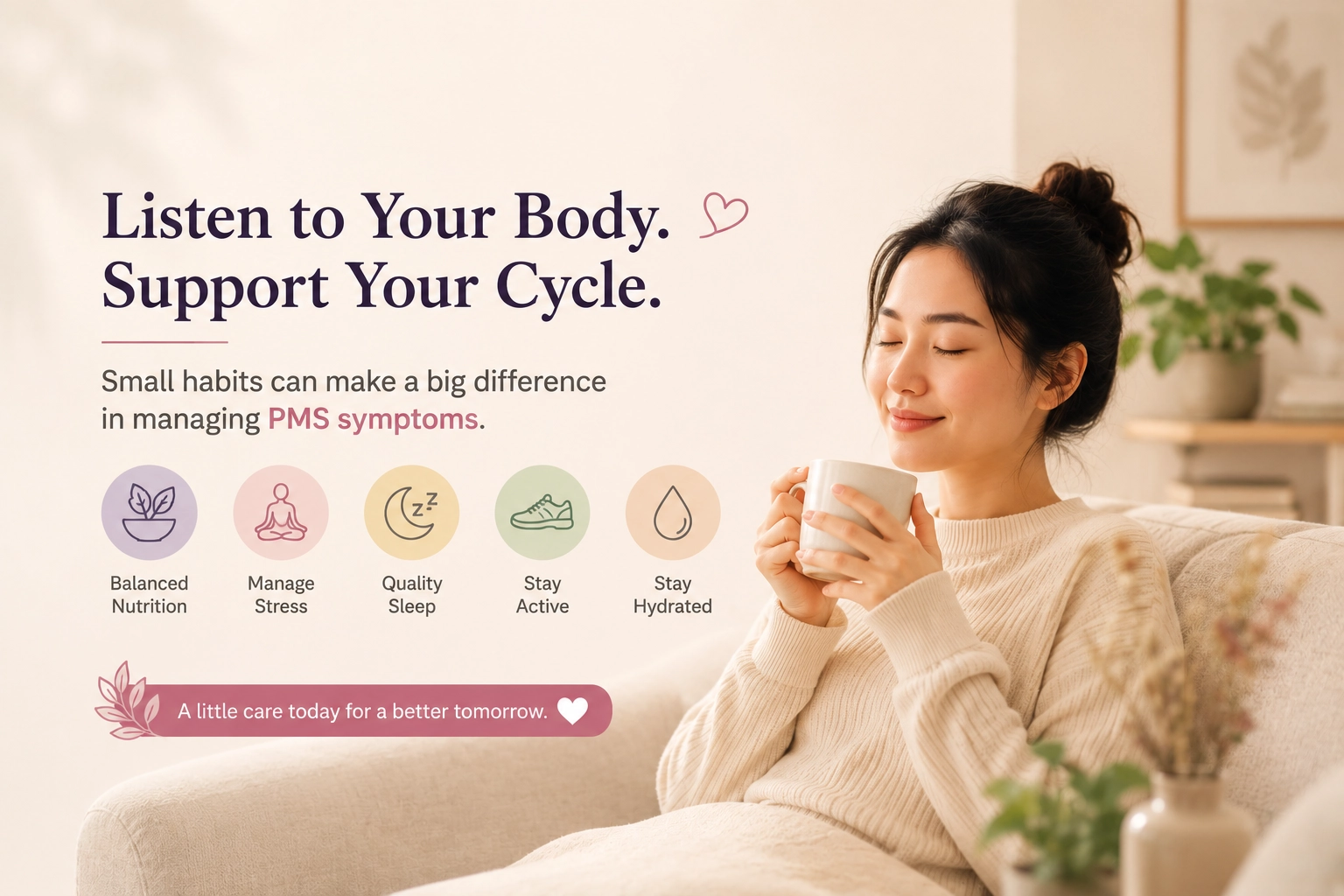
Although you can't prevent hormonal fluctuations, healthy lifestyle habits may help make premenstrual symptoms feel easier to manage.
Some simple ways to support your wellbeing include:
- Eating regular, balanced meals
- Including iron-rich and protein-rich foods
- Staying physically active
- Prioritising quality sleep
- Managing everyday stress
- Drinking enough water
Some women also choose traditional herbal products inspired by TCM as part of their wellness routine. If you're considering herbal supplements, choose products from reputable manufacturers and speak with a healthcare professional if you're pregnant, breastfeeding, or taking medication.
While there's no single solution for premenstrual symptoms, small, consistent healthy habits can make a meaningful difference over time.
Supporting Your Energy Every Day
Whether you relate more to modern nutrition or TCM, both approaches share a common goal: supporting your body so you can feel your best every day.
Supporting your energy doesn't require dramatic lifestyle changes. Instead, focus on building sustainable habits that you can maintain over time. Eating a balanced diet, staying active, getting enough rest, and listening to your body's needs all contribute to long-term wellbeing. Some women also enjoy incorporating traditional herbal products inspired by TCM, such as Ba Zhen formulations or red date drinks, into their everyday wellness routine alongside a balanced lifestyle.
While qi deficiency is a traditional TCM concept, maintaining healthy lifestyle habits remains the foundation of supporting your energy and overall wellbeing. If you're always feeling tired despite getting enough rest, or if PMS symptoms become severe, it's important to seek advice from a qualified healthcare professional.
References
- Bensky, D., Clavey, S., & Stöger, E. (2004). Chinese herbal medicine: Materia medica (3rd ed.). Eastland Press.
- Office on Women's Health. (2023). Premenstrual syndrome (PMS). U. S. Department of Health and Human Services. https://www.womenshealth.gov/menstrual-cycle/premenstrual-syndrome
- Rosenthal, L., Hernandez, P., & Vaamonde, D. (2022). Traditional Chinese medicine, Ayurveda, and fertility. In D. Vaamonde, A. C. Hackney, & J. M. García-Manso (Eds.), Fertility, pregnancy, and wellness (pp. 209–247). Elsevier. https://doi.org/10.1016/B978-0-12-818309-0.00014-9
Written by: Syafiqah Aqilah, Registered Nutritionist (MAHPC)
Date: 15/7/2026