

{{ Interface.PageTitle }}
Most women notice changes in their body before or during their period. Some experience mild discomfort, while others may develop symptoms that affect their daily routine. Although every woman's experience is different, period symptoms are a normal part of the menstrual cycle and are largely influenced by natural hormonal changes.
Did you know? The average woman will have around 400-500 menstrual cycles during her lifetime. It’s no surprise that understanding your menstrual health can have a significant impact on your overall wellbeing.
As your body prepares for menstruation each month, levels of estrogen and progesterone rise and fall. These hormonal fluctuations can affect not only your reproductive system but also your mood, energy levels, digestion, appetite, and sleep. Understanding why these changes happen can help you manage them more confidently.
In this article, we'll explore common period symptoms, explain the difference between pre period symptoms, menstrual symptoms, and menstruation symptoms, and share simple ways to support your wellbeing throughout your cycle.
Pre Period Symptoms: What Happens Before Your Period?
Many women notice changes several days before their period begins. These are commonly known as pre period symptoms and are often associated with premenstrual syndrome (PMS).
During the second half of the menstrual cycle, progesterone levels increase before falling shortly before menstruation. These hormonal changes may also influence serotonin, a neurotransmitter involved in regulating mood, sleep, and emotional wellbeing. As a result, many women experience changes in both how they feel physically and emotionally.
Common pre period symptoms include:
- Mood swings
- Irritability
- Fatigue
- Food cravings
- Bloating
- Breast tenderness
- Difficulty concentrating
- Changes in sleep
For most women, these symptoms improve once menstruation begins. As your period starts, however, it’s common for a different set of symptoms to appear.
Menstrual Symptoms During Your Period
Once menstruation begins, your body sheds the lining of the uterus, resulting in menstrual bleeding. During this stage of the menstrual cycle, many women experience menstrual symptoms that differ from those felt before their period.
| Symptoms | Why It Happens |
| Period cramps | Prostaglandins, hormone-like substances trigger uterine contractions to help shed its lining. |
| Lower back pain | Pain may radiate from the uterus to the lower back. |
| Fatigue | Blood loss and hormonal changes may contribute to lower energy levels. |
| Headaches | Hormonal fluctuations may trigger headaches in some women. |
| Digestive changes | Higher prostaglandin affects the digestive tract, causing diarrhoea, constipation, or bloating in some women. |
Not every woman experiences the same symptoms or level of discomfort. While some experience only mild discomfort, others may find that their symptoms interfere with daily activities. Fortunately, healthy lifestyle habits can help make this time of the month more manageable.
Managing Menstruation Symptoms Naturally
Although you can't prevent hormonal fluctuations, healthy lifestyle habits may help reduce the impact of menstruation symptoms and support your overall wellbeing throughout your cycle. Some simple strategies include:
- Eating regular, balanced meals
- Staying hydrated
- Engaging in light to moderate physical activity
- Getting enough sleep
- Managing stress
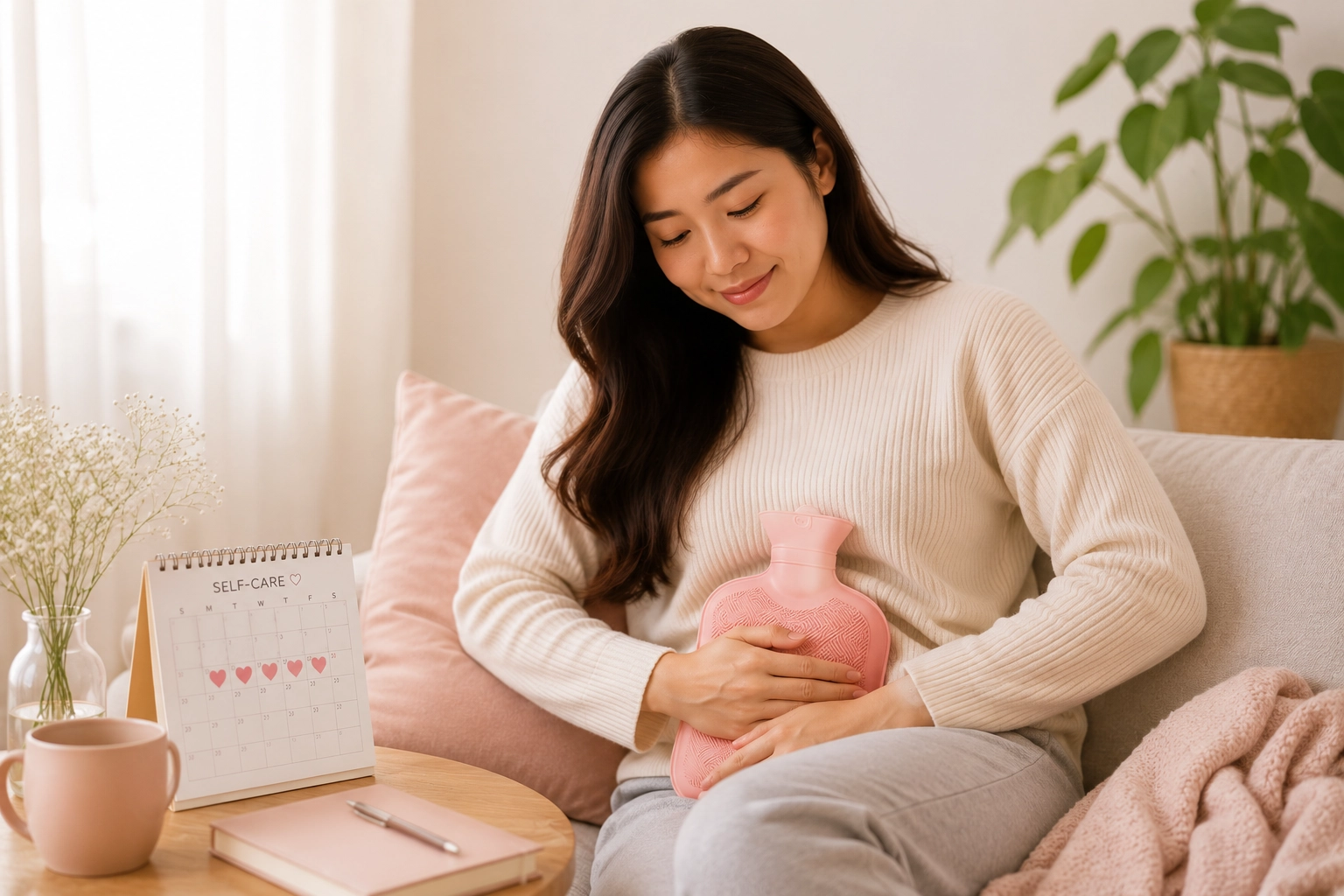
- Using a heat pack for cramps when needed
Alongside these healthy habits, paying attention to your nutrition can also help support your body during menstruation. If you experience heavier menstrual bleeding, including iron-rich foods such as lean meat, spinach, beans, lentils, and tofu may help support healthy iron intake. Maintaining a nutritious diet also helps support your overall wellbeing throughout your menstrual cycle.
Many women also enjoy traditional nourishing foods and herbal beverages as part of their monthly wellness routine. Popular choices include red date drinks, bird's nest, and other traditional herbal drinks commonly enjoyed to support women's wellbeing. These can complement a healthy lifestyle but should not replace a balanced diet or medical treatment when needed.
Supporting Your Menstrual Health Every Month
Although period symptoms are a normal part of the menstrual cycle, understanding your body's natural changes can help you feel more prepared and confident each month. Healthy habits such as eating a balanced diet, staying physically active, getting enough sleep, and managing stress can all contribute to better menstrual wellbeing.
However, if you experience severe pain, very heavy bleeding, bleeding between periods, sudden changes to your menstrual cycle, or symptoms that interfere with your daily activities, it's important to seek advice from a healthcare professional. These symptoms may indicate an underlying condition that requires further assessment and treatment.
References
- Markham Fertility Centre. (2023, May 29). Understanding the menstrual cycle. https://markhamfertility.com/blog/understanding-the-menstrual-cycle/
Written by: Syafiqah Aqilah, Registered Nutritionist (MAHPC)
Date: 17/7/2026
Internal links
- Premenstrual syndrome (PMS) - link to article 19. PMS
- Period cramps - link to article 3. Period cramps
- Iron-rich foods - link to article 12. Iron rich foods
Frequently Asked Questions
Most women notice changes in their body before or during their period. Some experience mild discomfort, while others may develop symptoms that affect their daily routine. Although every woman's experience is different, period symptoms are a normal part of the menstrual cycle and are largely influenced by natural hormonal changes.
Did you know? The average woman will have around 400-500 menstrual cycles during her lifetime. It’s no surprise that understanding your menstrual health can have a significant impact on your overall wellbeing.
As your body prepares for menstruation each month, levels of estrogen and progesterone rise and fall. These hormonal fluctuations can affect not only your reproductive system but also your mood, energy levels, digestion, appetite, and sleep. Understanding why these changes happen can help you manage them more confidently.
In this article, we'll explore common period symptoms, explain the difference between pre period symptoms, menstrual symptoms, and menstruation symptoms, and share simple ways to support your wellbeing throughout your cycle.
Pre Period Symptoms: What Happens Before Your Period?
Many women notice changes several days before their period begins. These are commonly known as pre period symptoms and are often associated with premenstrual syndrome (PMS).
During the second half of the menstrual cycle, progesterone levels increase before falling shortly before menstruation. These hormonal changes may also influence serotonin, a neurotransmitter involved in regulating mood, sleep, and emotional wellbeing. As a result, many women experience changes in both how they feel physically and emotionally.
Common pre period symptoms include:
- Mood swings
- Irritability
- Fatigue
- Food cravings
- Bloating
- Breast tenderness
- Difficulty concentrating
- Changes in sleep
For most women, these symptoms improve once menstruation begins. As your period starts, however, it’s common for a different set of symptoms to appear.
Menstrual Symptoms During Your Period
Once menstruation begins, your body sheds the lining of the uterus, resulting in menstrual bleeding. During this stage of the menstrual cycle, many women experience menstrual symptoms that differ from those felt before their period.
| Symptoms | Why It Happens |
| Period cramps | Prostaglandins, hormone-like substances trigger uterine contractions to help shed its lining. |
| Lower back pain | Pain may radiate from the uterus to the lower back. |
| Fatigue | Blood loss and hormonal changes may contribute to lower energy levels. |
| Headaches | Hormonal fluctuations may trigger headaches in some women. |
| Digestive changes | Higher prostaglandin affects the digestive tract, causing diarrhoea, constipation, or bloating in some women. |
Not every woman experiences the same symptoms or level of discomfort. While some experience only mild discomfort, others may find that their symptoms interfere with daily activities. Fortunately, healthy lifestyle habits can help make this time of the month more manageable.
Managing Menstruation Symptoms Naturally
Although you can't prevent hormonal fluctuations, healthy lifestyle habits may help reduce the impact of menstruation symptoms and support your overall wellbeing throughout your cycle. Some simple strategies include:
- Eating regular, balanced meals
- Staying hydrated
- Engaging in light to moderate physical activity
- Getting enough sleep
- Managing stress
- Using a heat pack for cramps when needed
Alongside these healthy habits, paying attention to your nutrition can also help support your body during menstruation. If you experience heavier menstrual bleeding, including iron-rich foods such as lean meat, spinach, beans, lentils, and tofu may help support healthy iron intake. Maintaining a nutritious diet also helps support your overall wellbeing throughout your menstrual cycle.
Many women also enjoy traditional nourishing foods and herbal beverages as part of their monthly wellness routine. Popular choices include red date drinks, bird's nest, and other traditional herbal drinks commonly enjoyed to support women's wellbeing. These can complement a healthy lifestyle but should not replace a balanced diet or medical treatment when needed.
Supporting Your Menstrual Health Every Month
Although period symptoms are a normal part of the menstrual cycle, understanding your body's natural changes can help you feel more prepared and confident each month. Healthy habits such as eating a balanced diet, staying physically active, getting enough sleep, and managing stress can all contribute to better menstrual wellbeing.
However, if you experience severe pain, very heavy bleeding, bleeding between periods, sudden changes to your menstrual cycle, or symptoms that interfere with your daily activities, it's important to seek advice from a healthcare professional. These symptoms may indicate an underlying condition that requires further assessment and treatment.
References
- Markham Fertility Centre. (2023, May 29). Understanding the menstrual cycle. https://markhamfertility.com/blog/understanding-the-menstrual-cycle/
Written by: Syafiqah Aqilah, Registered Nutritionist (MAHPC)
Date: 17/7/2026
Internal links
- Premenstrual syndrome (PMS) - link to article 19. PMS
- Period cramps - link to article 3. Period cramps
- Iron-rich foods - link to article 12. Iron rich foods